Portfolio
Case studies showcasing real-world impact through intelligent automation
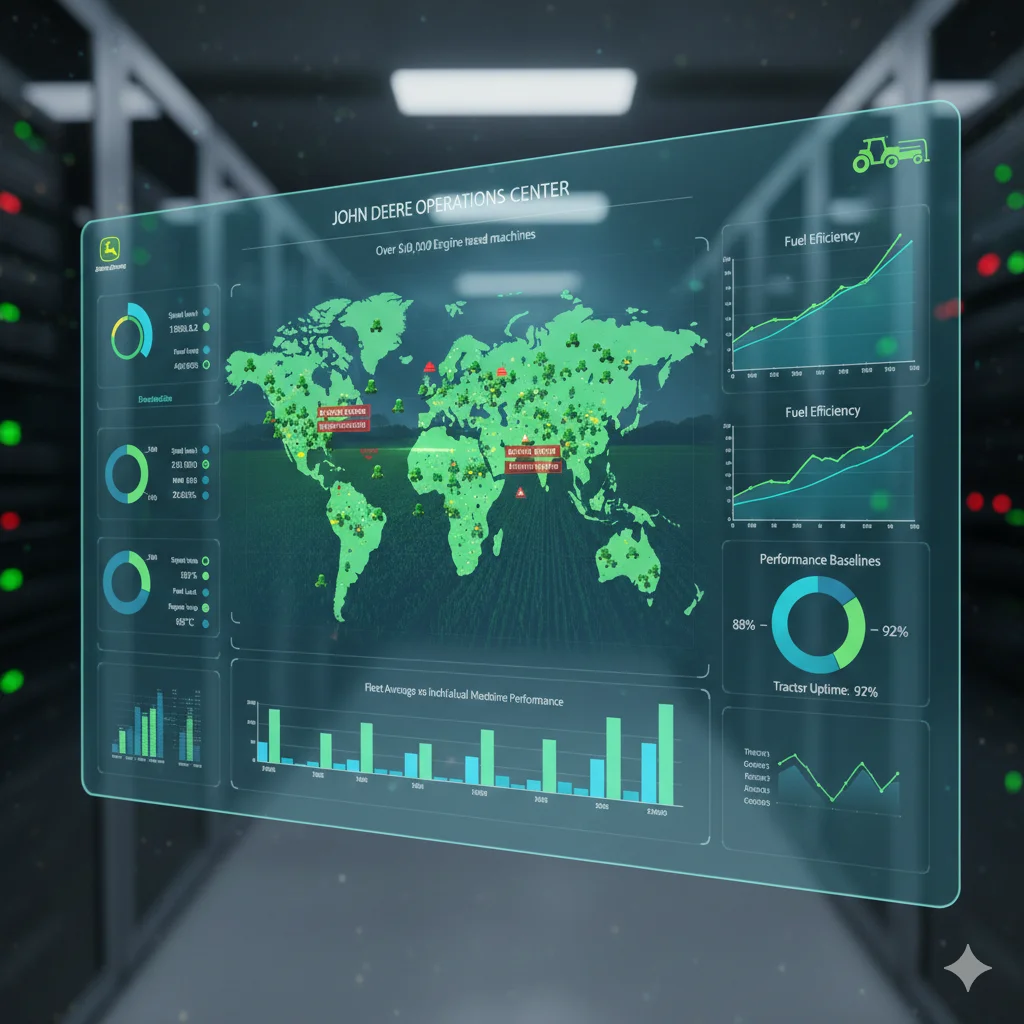
AutoTrac Performance Analytics Platform
Problem
No standardized way to detect performance anomalies across 500K+ agricultural machines, making it difficult to proactively identify and resolve issues affecting farmer productivity.
Solution
Built automated Databricks pipelines using PySpark and SQL to aggregate telemetry data and establish performance baselines. Developed visual dashboards in Power BI with anomaly detection alerts to surface deviations in real-time.
Outcome
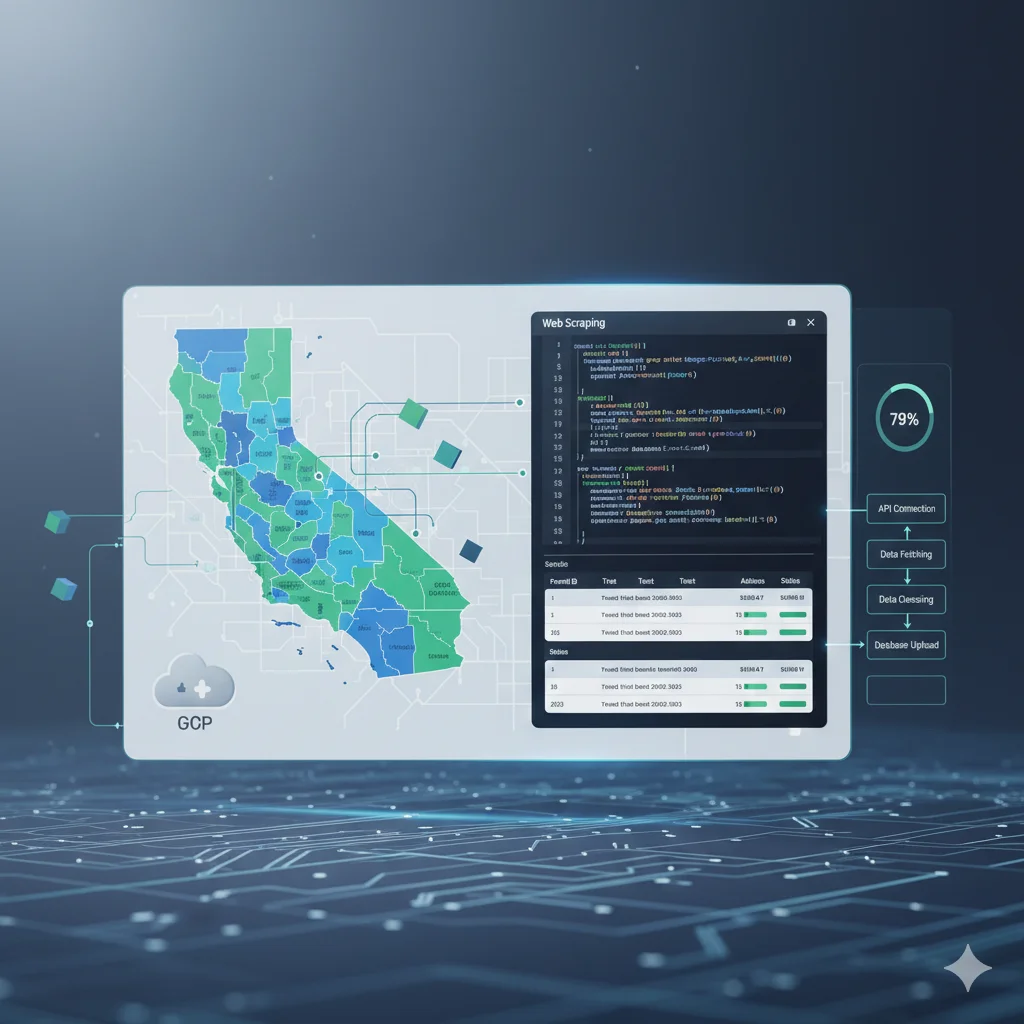
LADBS Roofing Compliance Automation
Problem
Manual roofing permit compliance lookups taking hours per ZIP code, creating bottlenecks in business operations and limiting scalability.
Solution
Built Python-based scraping system using Playwright and GeoPandas with modular pipeline architecture for zoning lookups and data aggregation. Deployed on GCP with parallelized schedulers to avoid duplication.
Outcome
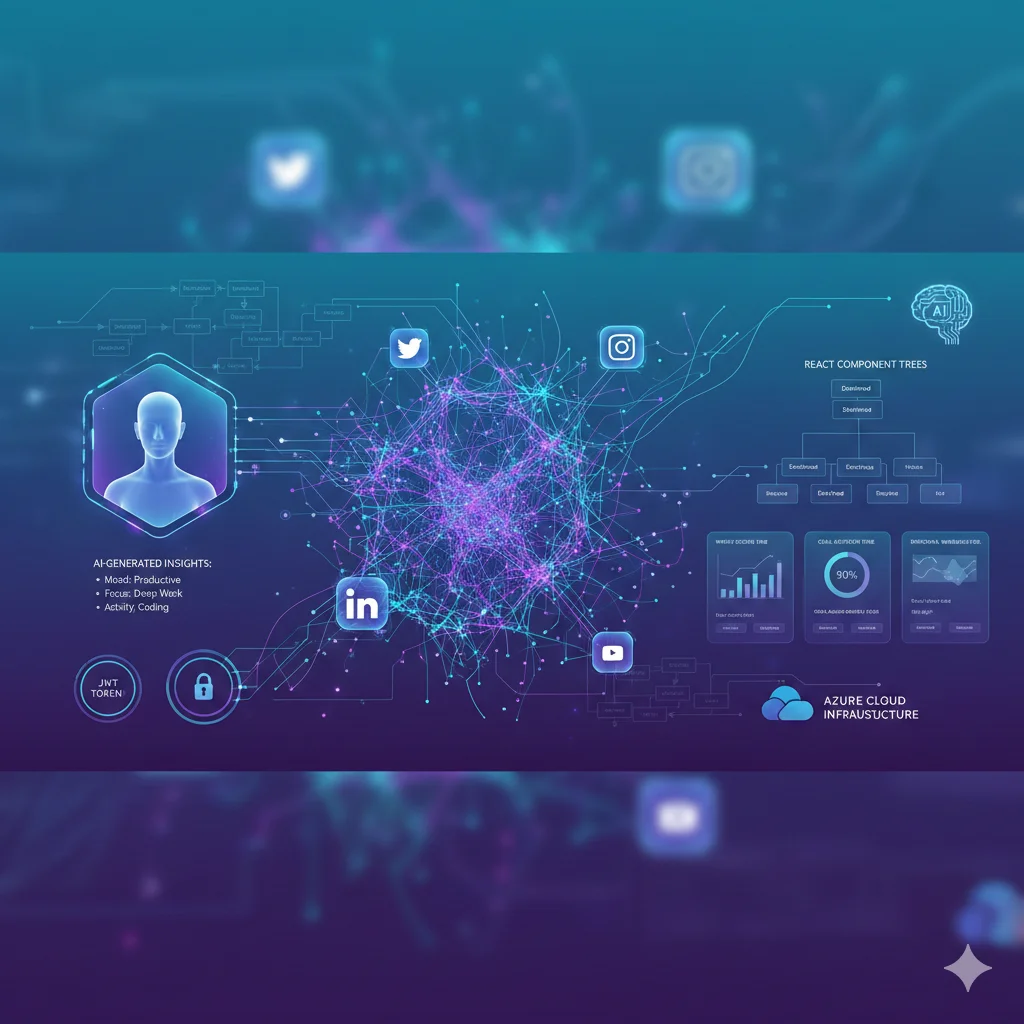
Selph AI Platform
Problem
Personal data scattered across platforms with no unified self-knowledge system, preventing meaningful AI-powered insights and personalization.
Solution
Engineered full-stack application using React, FastAPI, and Node.js with facial recognition (InsightFace) and AI-powered insights (LangChain). Implemented secure JWT authentication, Azure Blob Storage, and modular backend following domain-driven design.
Outcome
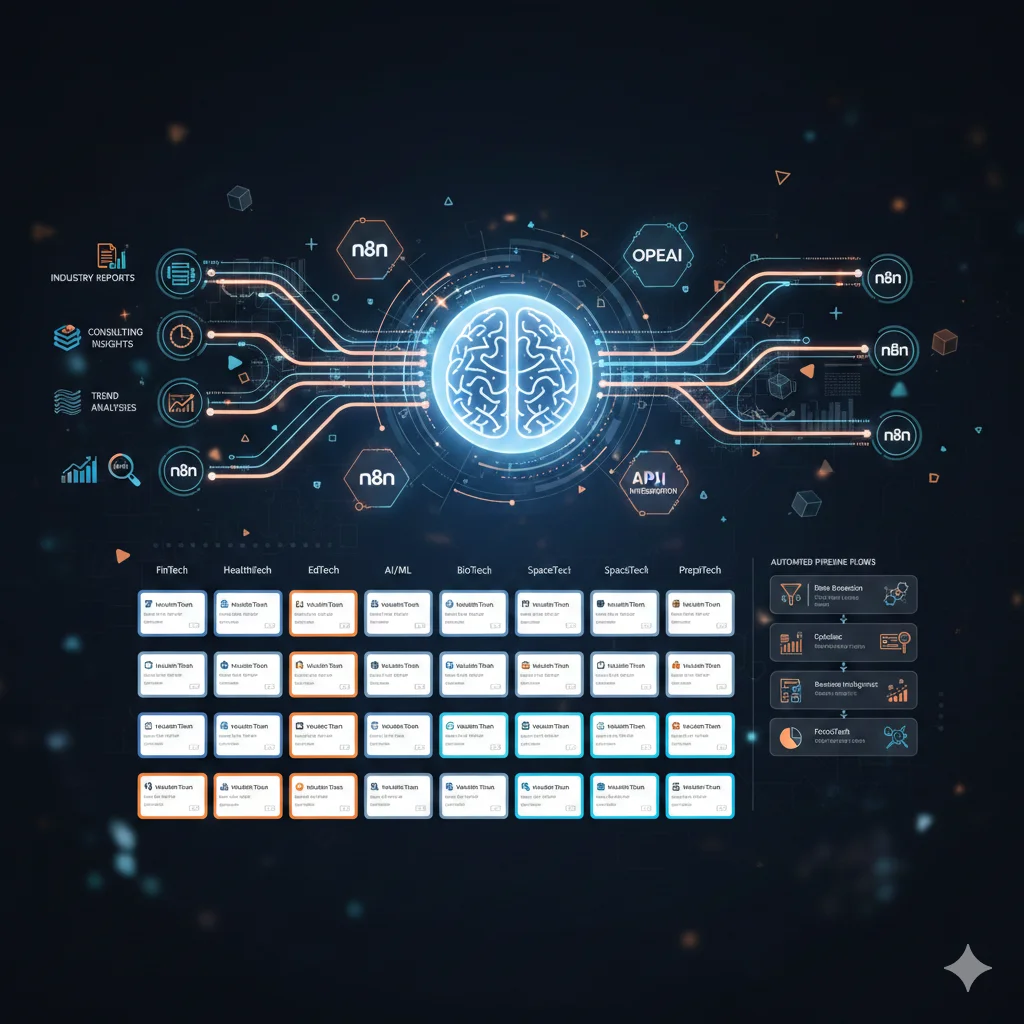
PainPoint.AI - Automated Startup Research
Problem
Manual startup opportunity research taking weeks, limiting the ability to validate ideas quickly and identify promising market opportunities.
Solution
Built AI research system using n8n and OpenAI API to synthesize consulting insights, industry reports, and market trends. Engineered AI prompt logic to extract pain points and implemented continuous automation pipelines.
Outcome
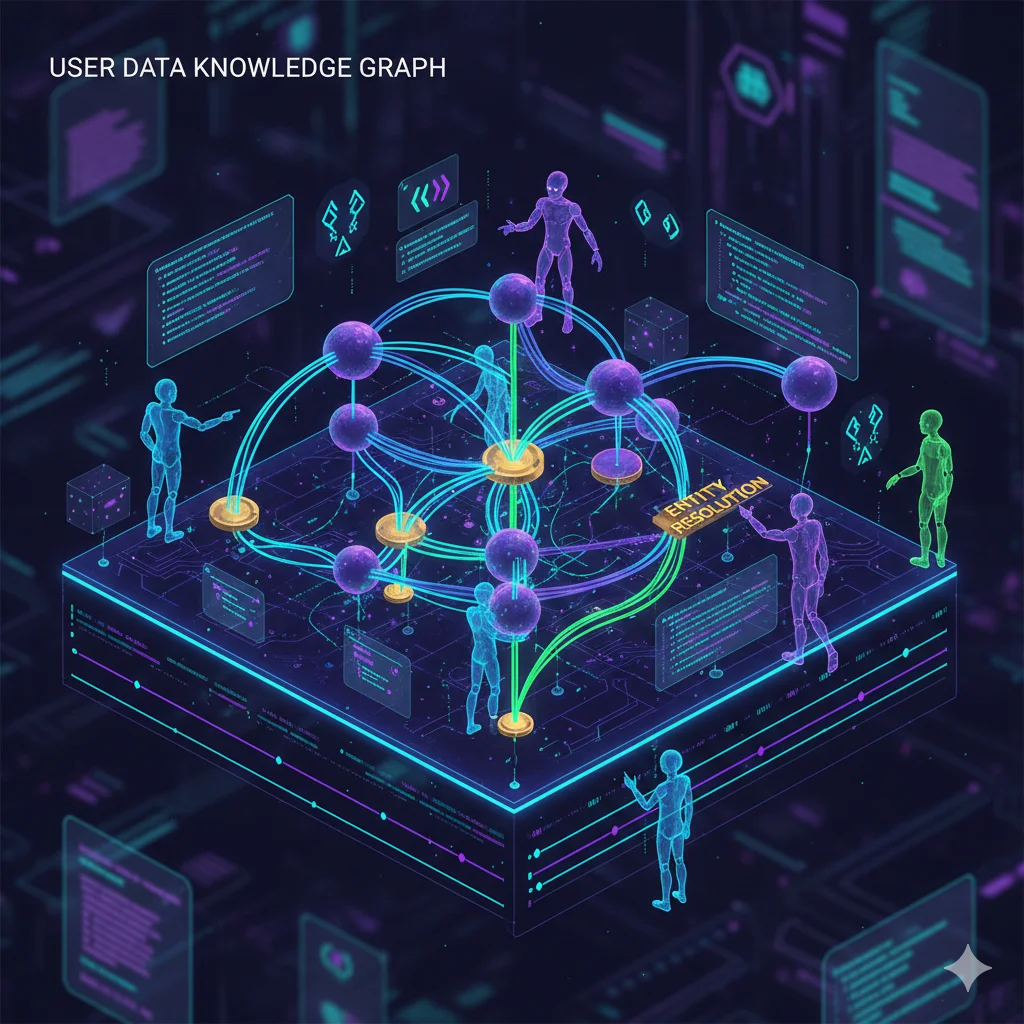
Selph Memory Graph System
Problem
Fragmented user data preventing AI reasoning and personalization, with no structured way to represent relationships and enable multi-agent collaboration.
Solution
Designed schema-driven knowledge graph using Pydantic v2, Neo4j, and LangGraph with fuzzy temporal tracking and field-origin tracking to preserve data lineage and uncertainty.